
Private Label Eyewear: A Growth Strategy for Independent Opticians
How Custom Frames Strengthen Profitability and Market Position
Independent opticians across Europe are operating in an increasingly demanding environment. Large retail chains, online eyewear platforms, and aggressive discounting strategies are placing continuous pressure on traditional business models. In this context, relying exclusively on third-party brands is becoming less sustainable.
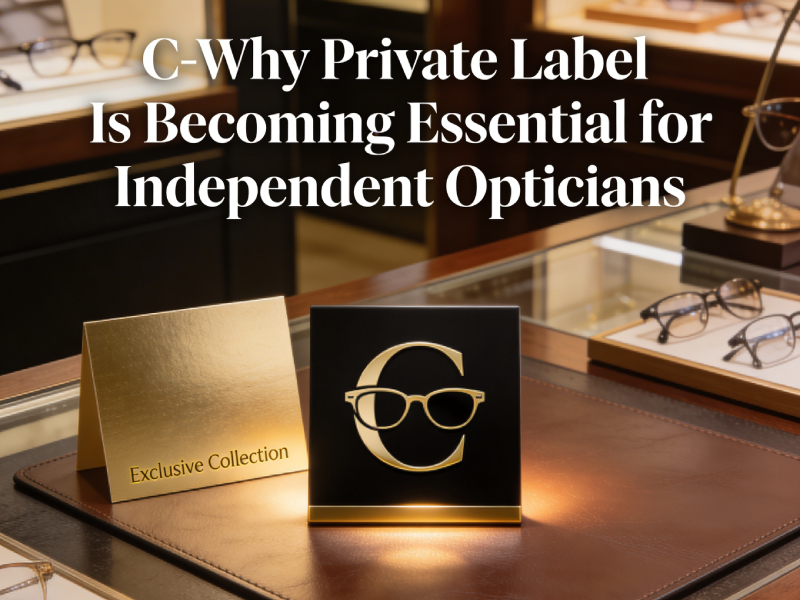
Private label eyewear is emerging as one of the most effective long-term growth strategies for independent optical stores. By developing custom-branded frame collections, opticians gain greater control over pricing, positioning, and customer relationships. When implemented correctly, private label transforms a store from a reseller into a brand owner.
Understanding Private Label in Optical Retail
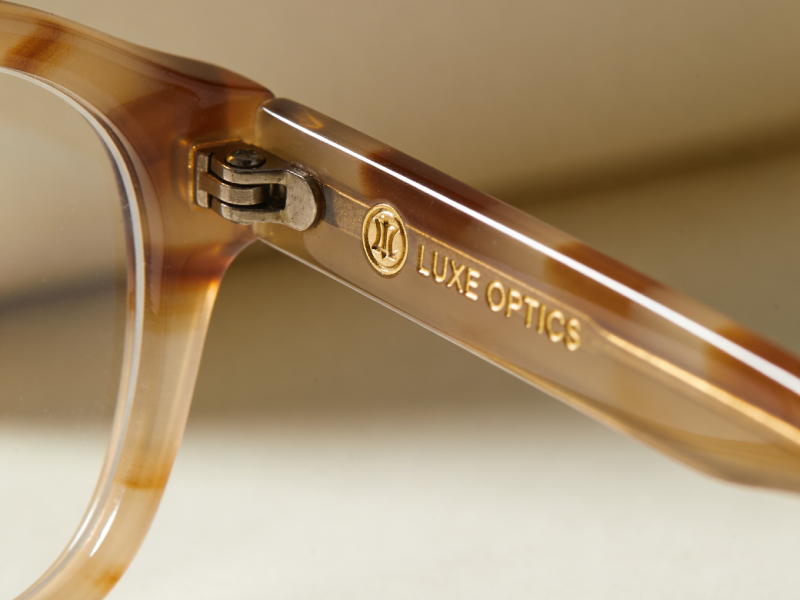
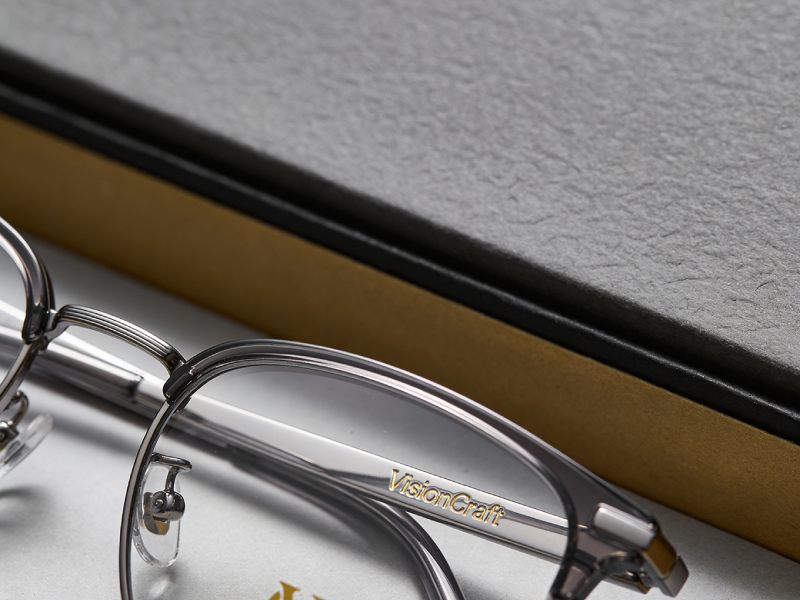
Private label eyewear refers to frames that are designed, manufactured, and sold under the retailer’s own brand name. These products are exclusive to the store and are not available through competing outlets or online marketplaces. This exclusivity removes direct price comparison and strengthens commercial independence.
Unlike traditional wholesale brands, private label collections are fully integrated into the retailer’s identity. Design, pricing, merchandising, and storytelling are aligned with the store’s positioning, creating a cohesive brand experience for customers.
Why Private Label Is Gaining Momentum in Europe
Several structural changes in the European optical market are accelerating the adoption of private label programs. Margin pressure is increasing, price transparency is higher than ever, and consumers are more informed. At the same time, manufacturing models have become more flexible, allowing smaller retailers to access custom production with limited financial exposure.
Low minimum order quantities, modular design platforms, and faster development cycles have made private label accessible even to independent stores with modest volumes. As a result, private label is no longer reserved for large chains. It has become a viable strategic option for well-managed independents.
Profitability and Margin Control
One of the main reasons opticians invest in private label eyewear is margin improvement. Compared to traditional branded frames, private label products typically generate higher gross margins and more stable pricing structures.
Because the retailer controls sourcing and distribution, there is greater flexibility in defining retail prices. Promotional dependency is reduced, and profitability becomes more predictable. Over time, improved margins create financial capacity for reinvestment in technology, staff training, and customer experience.
Protection from Price Comparison
Price comparison remains one of the greatest threats to independent optical retail. Branded frames are easily searchable online, which weakens pricing power and increases discount pressure.
Private label frames eliminate this vulnerability. Since the products are exclusive, customers cannot find identical alternatives elsewhere. This shifts the conversation from price to value and professional service. As a result, private label strengthens negotiation position and protects long-term margins.
Strengthening Store Identity and Brand Equity
Private label collections contribute directly to brand building. Instead of presenting a fragmented mix of external brands, stores can promote a unified visual and conceptual identity.
Consistent design language, coordinated displays, and structured storytelling allow private label frames to become symbols of the store’s philosophy. Over time, customers associate product quality and aesthetic value directly with the retailer. This strengthens brand equity and supports premium positioning.
Private Label as a Loyalty Mechanism
Exclusive products play a powerful role in customer retention. When customers purchase private label frames, they form a direct connection with the store. Since the product cannot be replaced elsewhere, future service, adjustments, and repeat purchases naturally return to the original retailer.
This exclusivity increases customer lifetime value and reduces vulnerability to competitor promotions. Private label therefore functions not only as a profit tool but also as a relationship-building mechanism.
Designing Effective Private Label Collections
Successful private label programs are based on disciplined design strategy. Collections must reflect the lifestyle, preferences, and expectations of the store’s core customer base. Comfort, durability, and optical compatibility should always take priority over short-term fashion trends.
Timeless shapes, balanced color palettes, and high-quality materials create long-lasting appeal. Excessive experimentation increases inventory risk and weakens brand coherence. Professional design management ensures commercial sustainability.
Selecting the Right Manufacturing Partner
The success of any private label initiative depends heavily on supplier selection. Manufacturing partners must provide reliable production capacity, consistent quality standards, and strong communication systems.
Professional suppliers offer OEM and ODM services, development support, regulatory documentation, and confidentiality protection. These capabilities reduce operational risk and protect intellectual property. Long-term partnerships are more valuable than short-term cost advantages.
Quality Control and Reputation Management
Private label frames carry the store’s name. Any quality failure directly affects reputation and customer trust. For this reason, quality assurance must be treated as a strategic priority.
Material certification, prototype testing, batch inspection, and warranty systems are essential components of professional private label management. Investment in quality protection prevents costly reputational damage and reinforces long-term credibility.
Pricing Strategy and Value Communication
Pricing private label eyewear requires careful balance between margin objectives and customer perception. Prices must reflect both product quality and professional service value.
Effective pricing strategies combine clear positioning, bundled lens solutions, and transparent communication. Customers should understand not only what they are paying for, but why it represents good value. Strong value communication reduces resistance and improves conversion.
Merchandising and Marketing Integration
Private label collections must be actively promoted to succeed. Passive placement rarely delivers results. Dedicated display areas, branded signage, and structured storytelling increase visibility and perceived importance.
Digital marketing, social media content, and in-store launch campaigns further reinforce awareness. Staff training plays a central role in ensuring consistent messaging across all customer touchpoints.
Internal Alignment and Staff Engagement
Employees are the primary ambassadors of private label brands. Without internal commitment, even well-designed collections underperform.
Training programs should focus on product knowledge, brand philosophy, comparative advantages, and objection handling. When staff understand and believe in the private label proposition, customer confidence increases accordingly.
Inventory Planning and Reorder Discipline
Private label inventory requires disciplined management. Core models should remain continuously available, while slow-moving items must be addressed promptly.
Forecast-based planning, automated reordering, and performance monitoring support healthy turnover. Poor inventory control quickly erodes margin advantages and creates cash-flow pressure.
Legal and Regulatory Compliance
Private label products must comply fully with European regulatory frameworks. CE marking, safety documentation, warranty policies, and trademark registration are non-negotiable requirements.
Professional suppliers support retailers with compliance documentation and certification processes. Legal discipline protects long-term business stability.
Measuring Performance and Continuous Improvement
Private label programs must be evaluated systematically. Margin contribution, sell-through rates, return levels, and customer feedback provide valuable insights into performance.
Regular analysis enables timely adjustments and continuous optimization. Data-driven management ensures that private label remains a strategic asset rather than a static project.
Scaling and Portfolio Expansion
Once validated, private label programs can be expanded into additional categories such as sunglasses, children’s frames, occupational eyewear, or corporate solutions. Structured expansion increases lifetime customer value and strengthens brand presence.
Growth should be gradual and aligned with operational capacity. Overextension increases risk.
Common Pitfalls in Private Label Projects
Many private label initiatives fail due to unrealistic expectations, weak supplier selection, insufficient quality control, inconsistent branding, or limited marketing investment. Avoiding these mistakes requires structured planning and professional execution.
Successful programs prioritize stability over speed.
Long-Term Strategic Impact
Private label eyewear reshapes competitive positioning. Over time, it reduces dependency on external brands, strengthens customer loyalty, increases enterprise value, and improves negotiation power with suppliers.
Private label should be viewed as a long-term strategic investment rather than a tactical response to margin pressure.
Building a Sustainable Private Label Program
Nea Optiki supports independent opticians with low-MOQ private label production, European manufacturing standards, design support, branding services, and professional B2B management.
Retailers seeking to develop structured private label eyewear programs can explore partnership opportunities and access customized development platforms.
👉 Request Private Label Consultation
👉 Access ODM & OEM Programs
Frequently Asked Questions
Is private label suitable for small optical stores?
Yes. Modern production models allow small retailers to participate with controlled investment.
How long does development take?
Most projects require between eight and sixteen weeks.
Does private label replace branded frames?
No. It complements branded assortments and strengthens differentiation.
Is private label risky?
Risk is manageable with proper supplier selection and phased implementation.